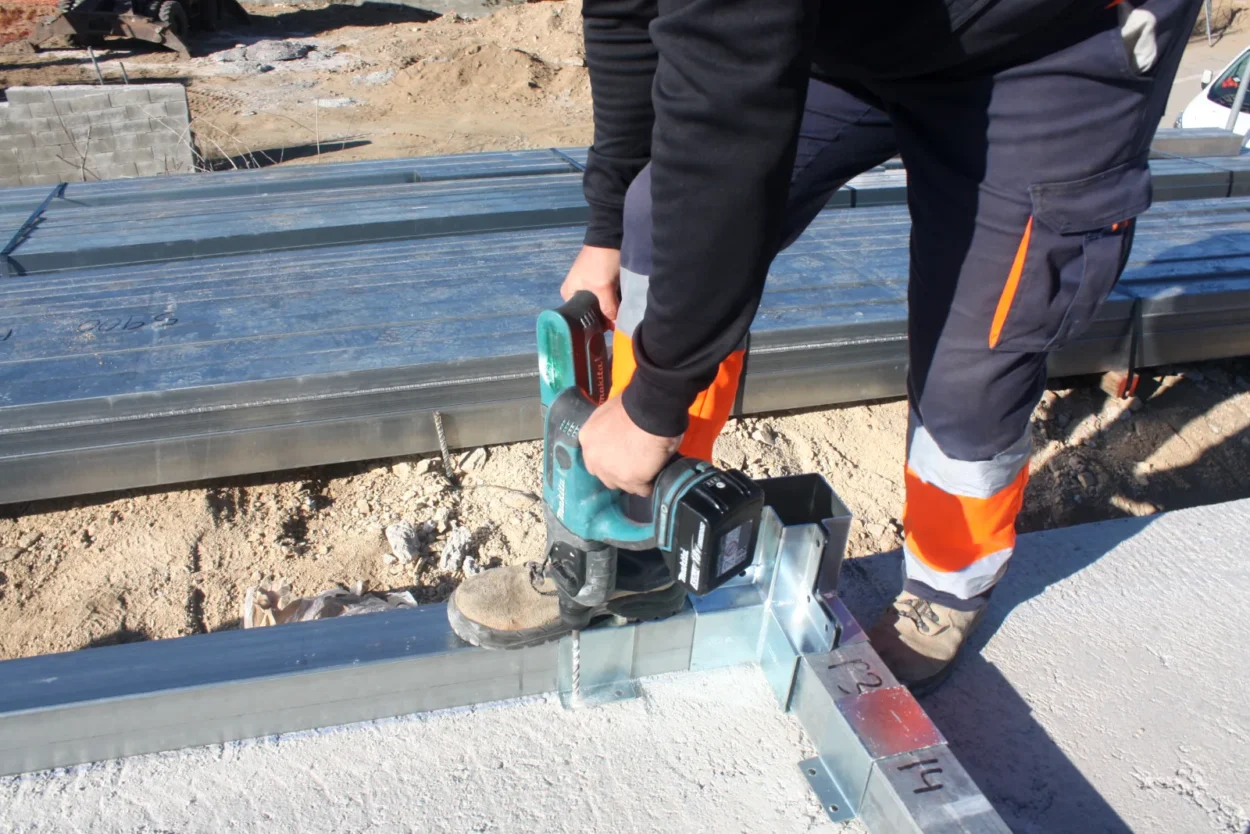
Types of metal in bolted steel structures: how to choose the right material for your project
Not all metals behave the same under load, against corrosion or during assembly. Choosing the right section is what decides whether a bolted steel structure lasts for decades or starts causing problems early. Strength, durability and ease of assembly have to be balanced, and that balance depends on the material.
Main types of metal for modular steel structures
The industry works with several alloys depending on the technical demands of each project. The most widely used in bolted connection systems are:
-
•
Carbon steel: the main choice when maximum structural strength is needed. It is used in frames, bridges and hollow sections for its hardness and load-bearing capacity. -
•
Stainless steel: stands out for its resistance to rust. It is the preferred material for exposed architectural applications or highly saline environments. -
•
Aluminium: valued for its lightness and ductility. Ideal for mobile structures, enclosures and components that need natural corrosion resistance without extra weight. -
•
Copper: limited structural use, but a benchmark in fluid and HVAC installations thanks to its malleability and recyclability.
Comparison of materials for tubular sections
| Metal | Key property | Structural application |
|---|---|---|
| Carbon steel | Pure mechanical strength | Columns, beams and platforms |
| Stainless steel | Very high corrosion resistance | Façades and chemical environments |
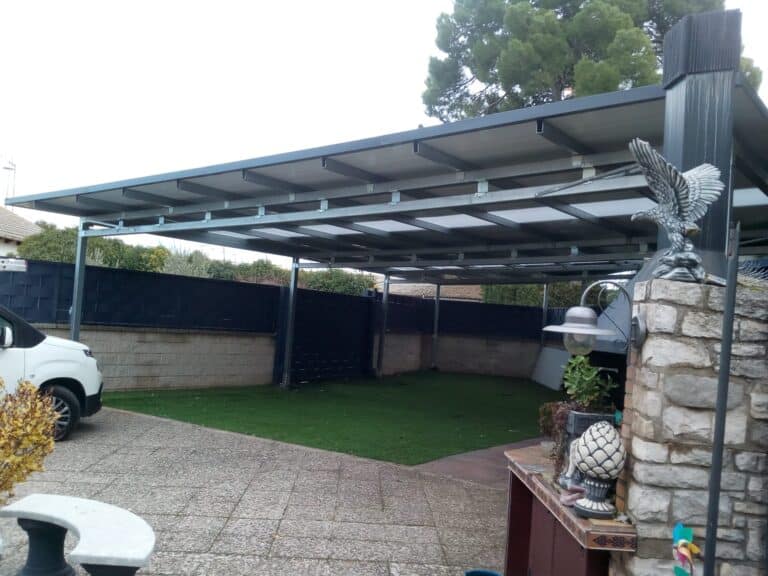
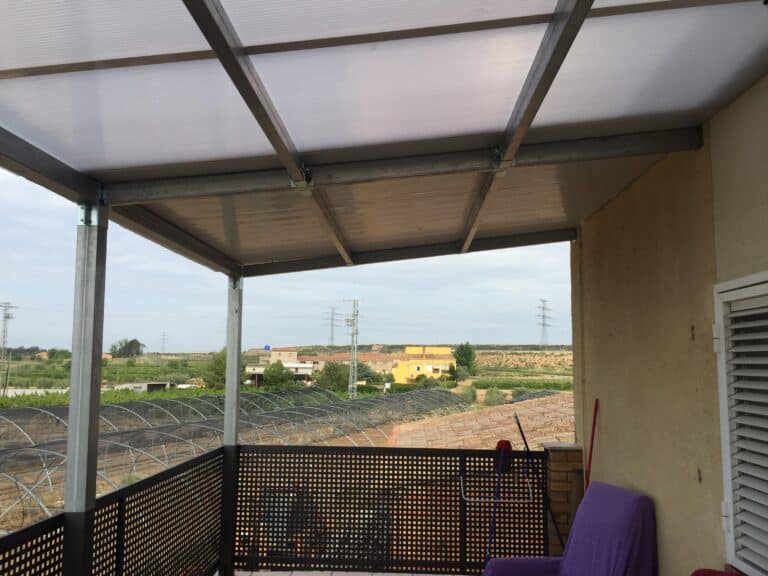
| Aluminium | Lightness-to-strength ratio | Pergolas, porches and transport |
| Copper | Conductivity and malleability | Refrigerant lines and plumbing |
How each metal performs in bolted structures
Each alloy behaves in a specific way that determines where it fits best in a bolted assembly:
-
•
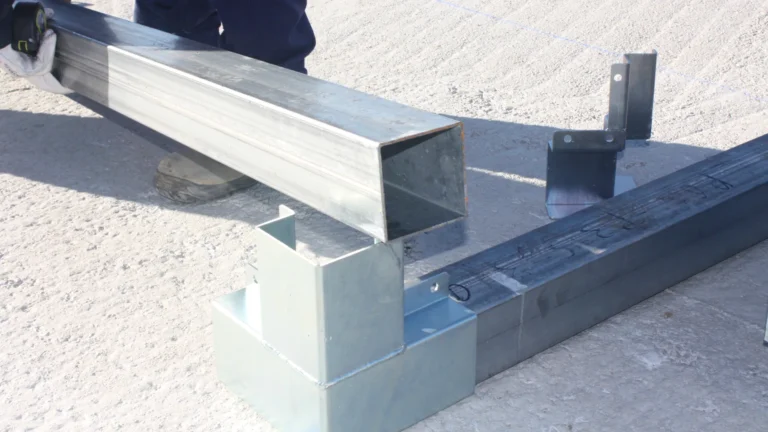
Galvanised and carbon steel: the standard technical recommendation for large structures. Galvanised steel tube combines great stiffness with effective protection against rust, making it the ideal support for industrial buildings and modular homes. -
•
Stainless steel: in bolted assemblies it is used for drainage components, railings and exposed brackets where appearance and hygiene come first. Reference structures show this material can keep its integrity for decades without intensive maintenance. -
•
Aluminium: it can be formed in many ways (sheet, casting or tube), which makes it essential in light structures that are assembled and dismantled often. It needs practically no maintenance, and its natural corrosion resistance makes it especially suitable outdoors.
Why mechanical connections work with all these materials
Whatever the metal, the connection system is what determines the real durability of the structure. Mechanical connections let you combine different materials in the same project without the risk of heat distortion that welding brings. Connectors designed for each type of tubular section ensure an even transfer of loads. If aluminium and steel are combined in the same project, the contact between them must be insulated (washers or gaskets) to prevent galvanic corrosion.
Choosing the right metal for its ductility, corrosion resistance and hardness is the first step towards a trouble-free build. Combining these materials with bolted assembly technology gives a solution that adapts to any environment and technical requirement.
The StarModul catalogue has solutions for every building challenge. Choose the right structure kit and get a fast, professional assembly system.