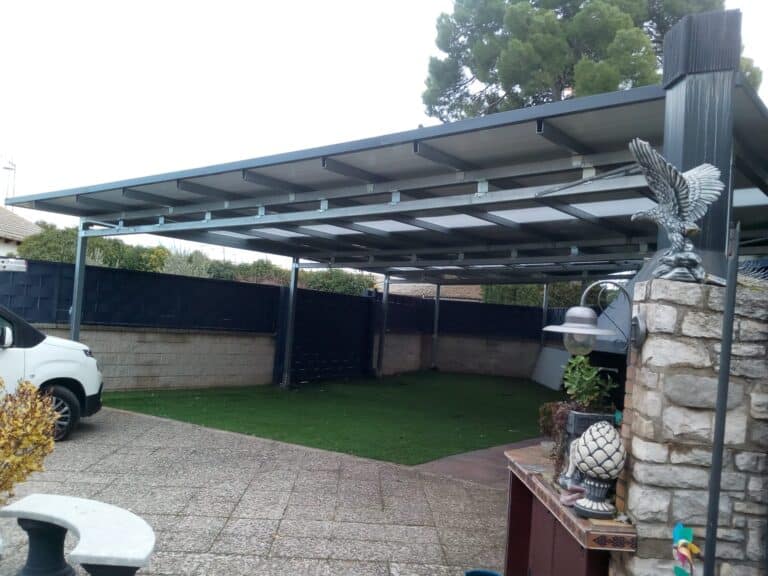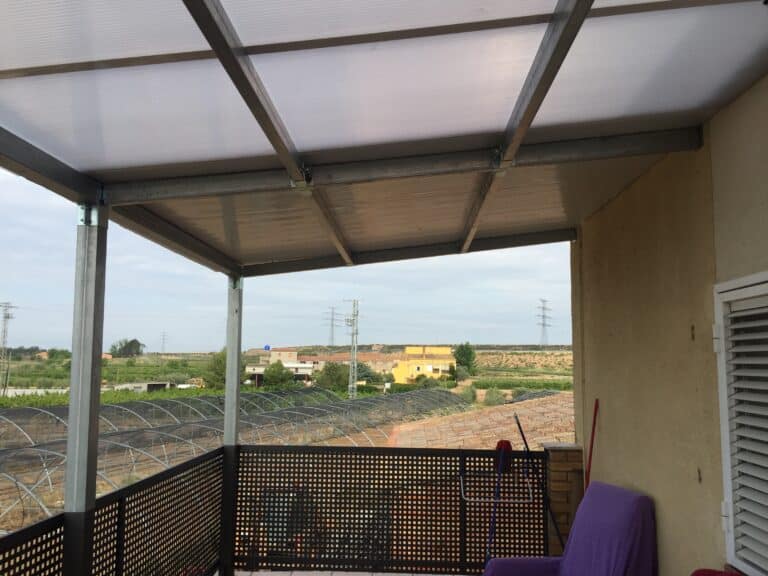

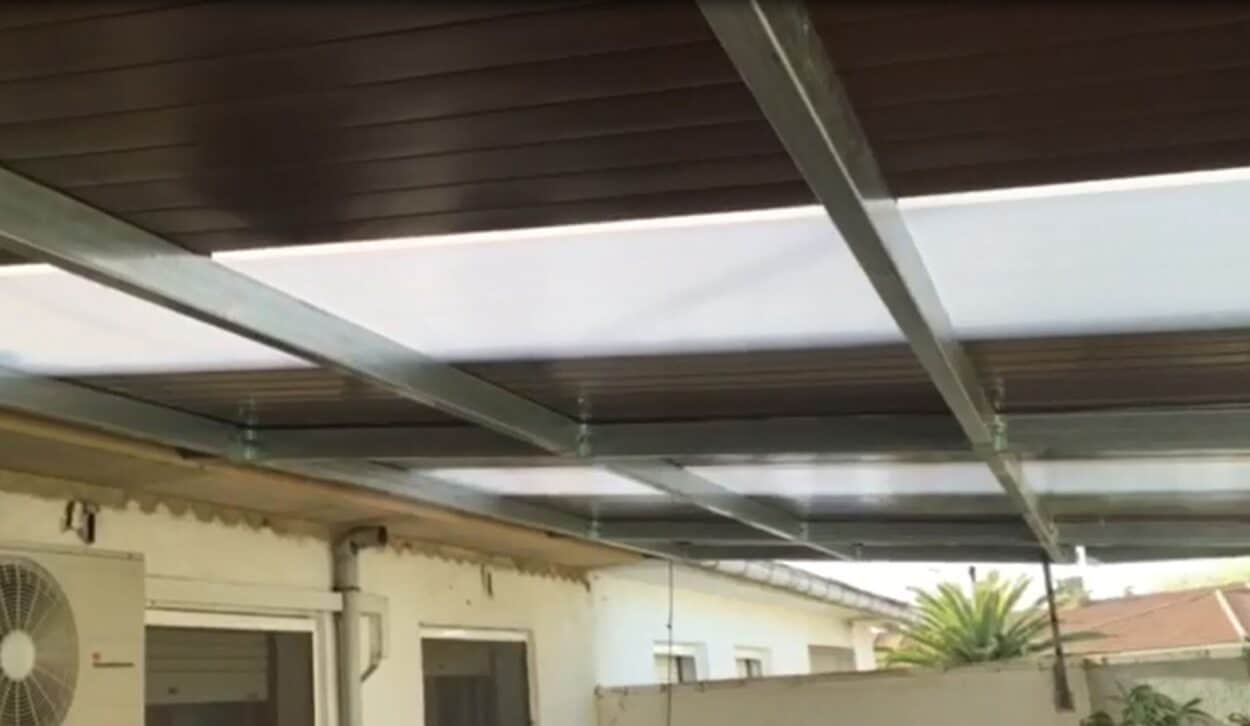
The performance of a photovoltaic system depends directly on the orientation and stability of its mounting structures. Poor anchoring causes vibrations, micro-cracks in the panels, and water leaks into the building. Solar panel mounting structures are designed with geometric configurations that optimize the angle of sunlight capture.
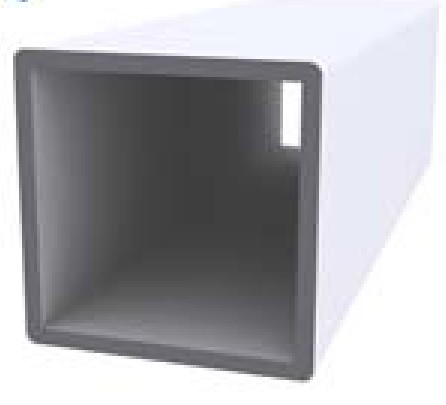
Resistance to adverse weather conditions is the primary requirement for these profiles. Incorporating a metal structure for the solar panels made of cold-formed steel ensures a service life exceeding the 25-year warranty on the modules themselves.
Types of Metal Structures for Solar Panels
| Fastening System | Application surface | Need for drilling |
|---|---|---|
| Coplanar, anchored to the purlins | Metal roofing or sloped industrial roofs | Yes, using watertight side fasteners |
| Screwed-in sloped triangles | Flat terraces and concrete rooftops | Yes, expansion anchors or chemical anchors |
| Weighted down with counterweight blocks | Flat surfaces with asphalt waterproofing | No, it is held in place by gravity and aerodynamics |
Technical Requirements for the Metal Frame of Solar Panels
-
•
Extruded aluminum or Magnelis steel to ensure extreme corrosion resistance. -
•
EPDM rubber seals at all roof penetration points. -
•
Intermediate and end clamps compatible with the frame of the selected modules. -
•
Integrated conduits for the safe routing of DC wiring. -
•
A2 stainless steel fasteners to prevent galvanic coupling between different metals.
The calculation of wind lift, or the sail effect, determines the density of the anchor points. Poor structural planning can cause the entire structure to be blown away during a severe storm.
Frequently Asked Questions About Metal Frames for Solar Panels
Aluminum and lightweight steel profiles weigh only a few kilograms per square meter, which is negligible for standard roofs.
Not always; there are special fasteners designed to clamp onto raised joints without drilling into the main surface.
In Spain, it is usually around 30 degrees, facing south to maximize average annual production.
Yes, by using threaded rods that pass through the roof tile until they reach the floor slab or the supporting beam below.
It is recommended that you perform a visual inspection and retighten the fasteners every five years to prevent misalignment caused by thermal expansion.
Yes, the mounting clamps are adjustable to accommodate different thicknesses and widths of photovoltaic frames.