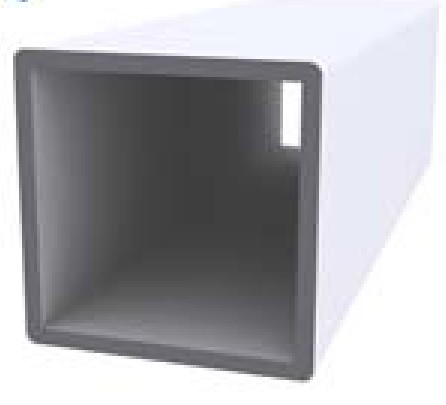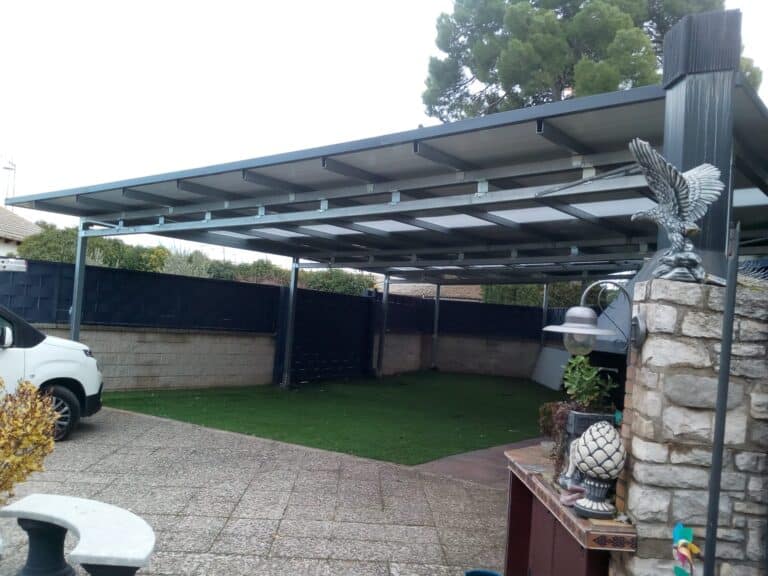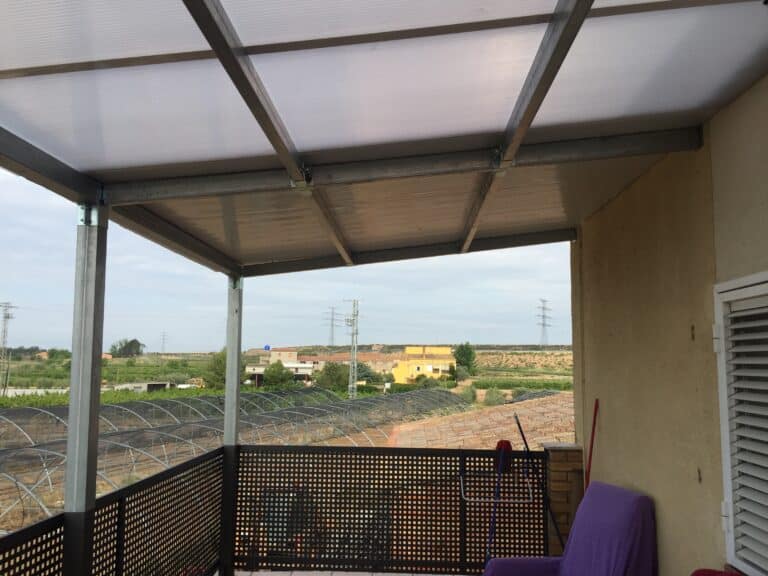

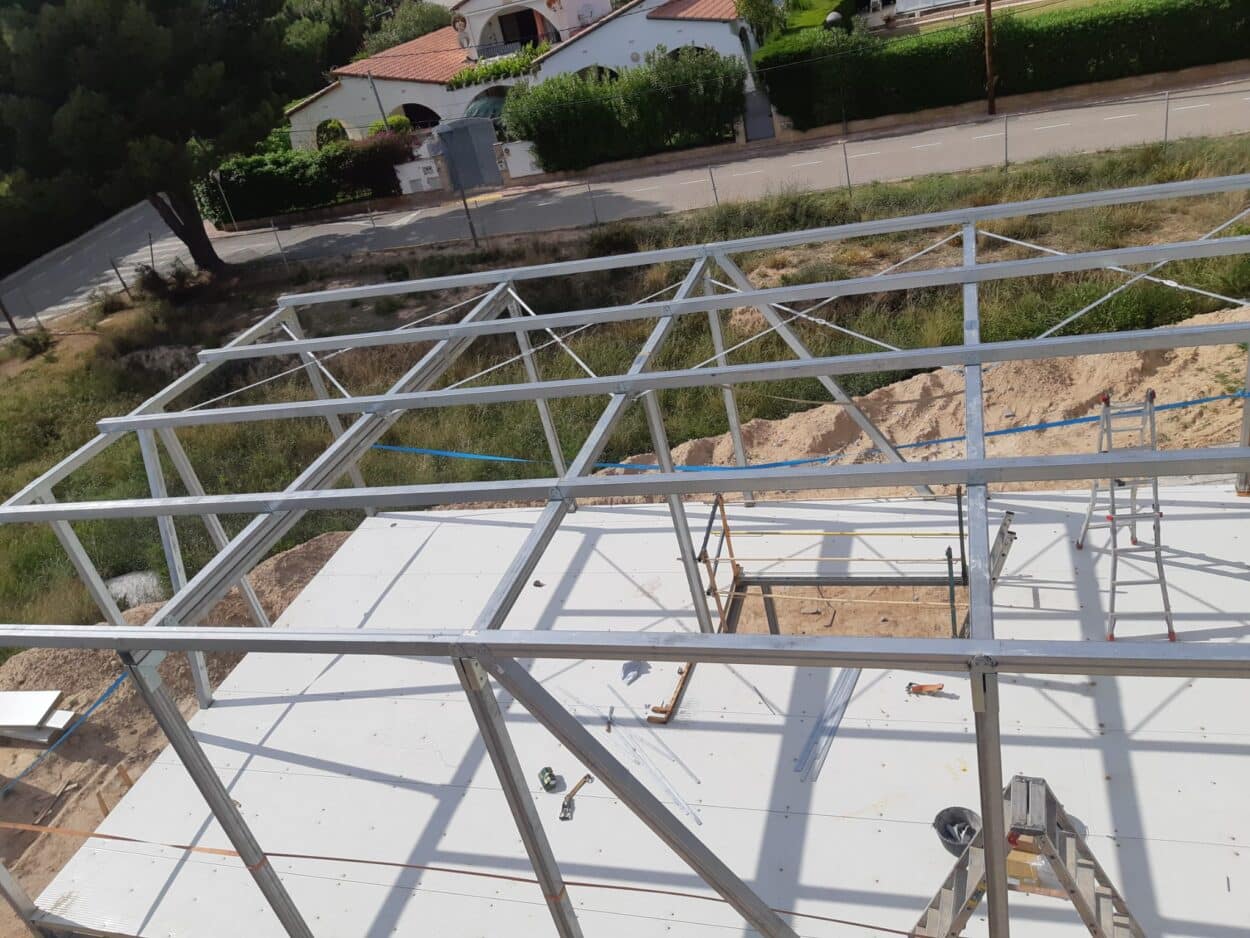
The choice of construction system determines the project’s construction timeline and final strength. Both methods use steel as the primary material, but differ in the geometry of the profiles and in how loads are transferred. Using a StarModul bolted connection system optimizes resources and eliminates the problems associated with on-site welding.
Galvanized steel ensures durability in both options. The difference lies in the fact that structural tubes offer greater torsional resistance, allowing for longer spans with fewer supports. Analyzing the comparison between steel framing and bolted tubes is essential to making the right choice based on load and design requirements.
Technical Comparison: Steel Framing vs. Screw-Fastened Tubing
| Characteristic Evaluated | Formed profiles (Steel Framing) | Bolted structural tubing |
|---|---|---|
| Steel thickness | Thin, usually between one and two millimeters | Thick, exceeding three millimeters |
| Structural Strength | High due to the repetition of closely spaced studs | Very high; allows for greater spans without columns |
| Assembly Speed | Fast, but requires many small screws | Very fast thanks to machined joints |
Criteria for Choosing Between Steel Framing and Screw-Fastened Tubing
-
•
Assess the pillar-free span required by the interior design. -
•
Consider the weight of the exterior walls and the roof. -
•
Calculate the impact of wind and snow based on the geographic area. -
•
Assess the time available for the complete execution of the project. -
•
Review the need for future expansions or structural modifications.
The geometric strength of the tubular profile makes it easy to create highly stable self-supporting frameworks. This feature simplifies foundation calculations and reduces initial land costs.
Frequently Asked Questions About Steel Framing vs. Bolted Tubing
The cost of the materials is similar, but assembling the tubular framework usually requires fewer labor hours.
Yes, it’s very common to use main tubes for the primary structure and lightweight profiles for the interior partitions.
Heavy-gauge tubular profiles can withstand greater vertical loads with less deformation.
No, both methods are designed to be assembled entirely using specialized fasteners.
Insulation depends on the cladding material, although the tube reduces the number of thermal bridges because it has fewer vertical profiles.
Lightweight assemblies are built by hand, but long tubular beams may require light-duty lifting cranes.