
Rust is the main enemy of metal structures exposed to moisture and the elements. Applying effective protective treatments extends the service life of steel, reducing repair costs in the long term. For advice on caring for metal components, consult a manufacturer of modular metal structures.
Technical Operation of Cathodic Protection
This system involves applying zinc-rich coatings using common physical methods, such as brushing, rolling, or spraying.
Coating Properties
-
•
High concentration: High-quality paints contain more than 90% pure zinc in their dry film. -
•
Sacrificial action: Zinc oxidizes before the underlying steel, protecting the base metal. -
•
Easy repair: Allows damaged areas or welds to be repaired directly on-site.
Comparison of Protection Methods
| Feature | Cold-galvanized (Paint) | Hot-dip galvanized (Immersion) |
|---|---|---|
| Application | On-site, with a brush or spray gun | In the factory, using zinc baths |
| Initial Cost | Low and affordable | Moderate (requires transportation) |
| Coating thickness | Manually adjustable | Uniform due to a chemical reaction |
| Ideal for | Repairs and touch-ups | New structural parts |
When to Choose This Protective Solution
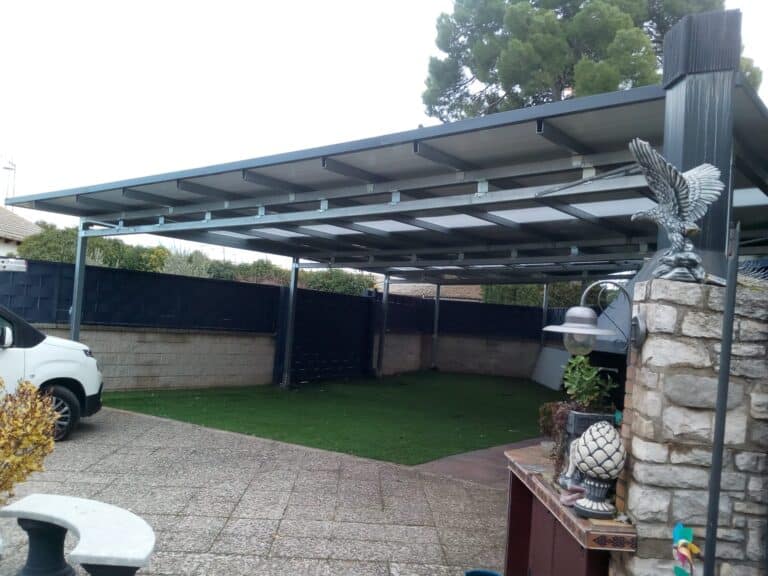
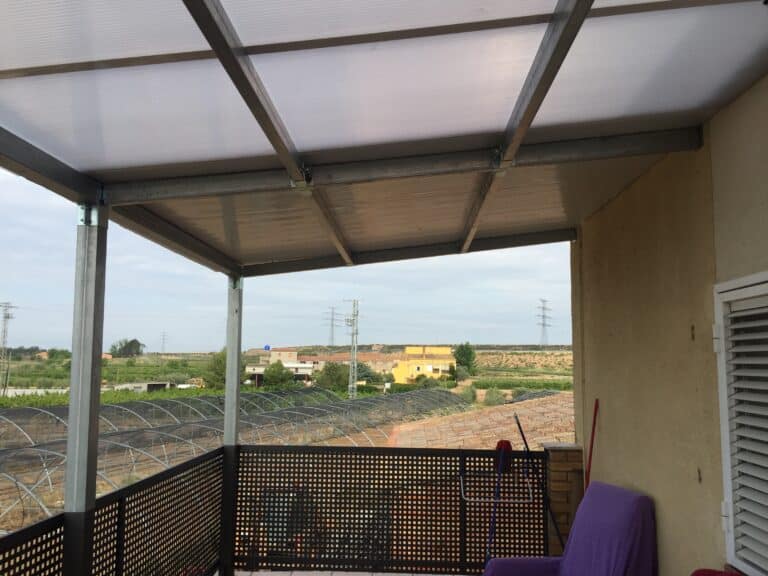
Cold-galvanized steel is particularly well-suited for maintaining structures that are already assembled and cannot be moved to an industrial facility. It is the perfect solution for protecting the weld beads created during the assembly of porches, fences, or garden sheds, ensuring the continuity of the protective coating.
Use liquid zinc coating as a preventive measure after making any cuts or holes in your metal profiles.
Frequently Asked Questions About Cold-Rolled Galvanized Steel
It acts as a sacrificial anode: it absorbs environmental corrosion before it affects the iron structure.
Yes, once the zinc coating is dry, you can apply a compatible topcoat to add color to the structure.
It is essential to clean the steel to remove grease and oil and to completely remove loose rust by sanding or brushing.
It provides good protection, although in coastal areas with high salinity, it is recommended to apply additional coats of sealant.
It usually takes between 15 and 30 minutes to dry to the touch, but it takes 24 hours to fully cure and reach maximum hardness.
Yes, it helps prevent corrosion caused by moisture from the subsoil, although it is recommended to reinforce it with asphalt resins.