
Metal joints in machinery and equipment are essential, as they provide stability, strength and ease of use. There are several methods to create joints, such as welding, soldering and screwing. In this article, we will focus on comparing the advantages of using bolted metal joints with the advantages of using welding for this type of joint.
Why are bolted metal joints better?
One of the main advantages of bolted metal joints is their high load-bearing capacity. This is because the screws create an even weight distribution between the different contact points. This uniform distribution results in a more stable structure and less stress on the bolts.
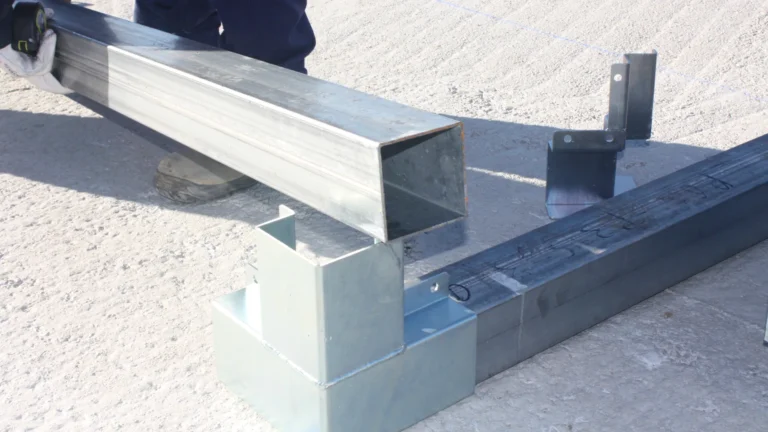
Bolted metal joints are also more versatile than welded joints because they can be easily disassembled and reassembled. This makes the joints an excellent choice for use in designs that need to be frequently altered or repaired.
Are bolted metal joints more cost-effective?
Bolted metal joints are also a more cost-effective option compared to welding. This is because the equipment needed to create this type of joint is much less expensive than the equipment used for welding. In addition, since the joint can be easily disassembled and reassembled, there is less material waste when using screws.
What are the main differences between bolted metal joints and welding?
Bolted metal joints and welding are two completely different methods with very different requirements. Welded joints require the metal to be heated to a high temperature and welding materials to be used. In addition, welding requires a relatively high degree of skill and attention to detail to ensure that the joint is strong enough to withstand a heavy load.
On the other hand, very little equipment is needed to create a bolted joint, usually just a screwdriver and the screws themselves. The only disadvantage of using bolts is that the joint is not as strong as a welded joint and may need to be reinforced in some applications.
How to choose between welding and bolted metal joints?
The choice between using bolted metal joints and welding for a particular application generally depends on the requirements of that particular application. If an application requires a joint that can withstand a load and is also easy to disassemble and reassemble, then using screws is the most practical option. However, if an application requires a joint that needs to withstand an extreme amount of force, then welding is the more practical option.
In addition, the materials to be joined must also be taken into account. Welding is usually necessary to join metallic materials that cannot be joined by screws or other mechanical methods, such as aluminum and some types of steel.
Bolted metal joints can be an excellent choice for some applications due to their high load capacity, low equipment cost and ease of use. However, if a joint must withstand extremely high force, or if the materials cannot be joined by mechanical methods, welding is the most practical option.
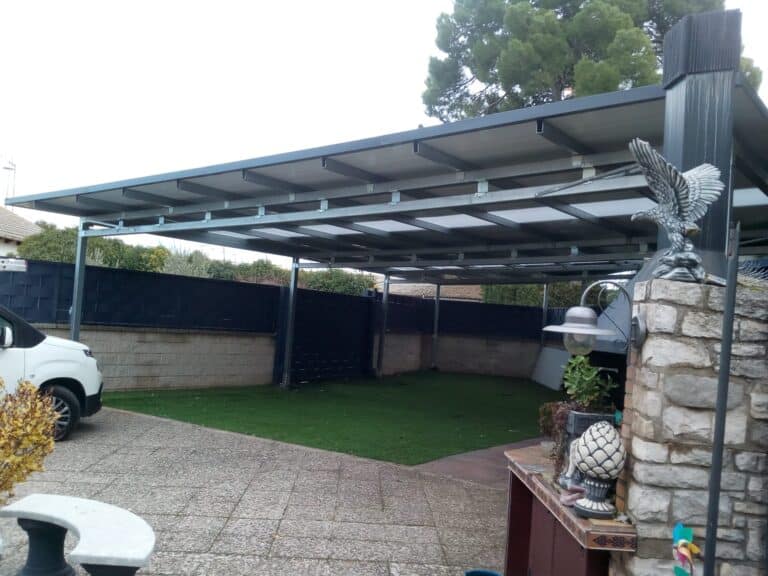
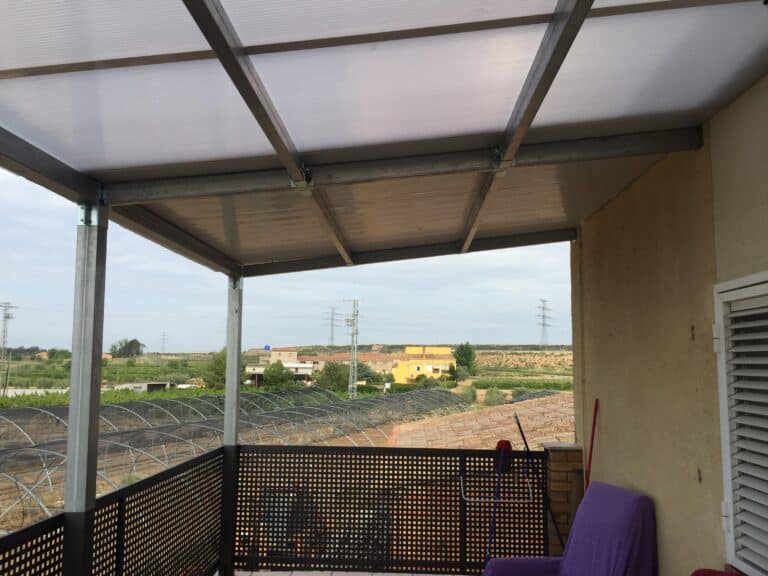
The great versatility of bolted connections allows you to create functional spaces in your garden without relying on complex welding. By taking advantage of this system, you can enjoy all the main benefits of metal pergolas while achieving an attractive and durable result for your home.
A review of these two joining methods will help people find the right solution for their specific project.
Welding or bolting on site: a point-by-point comparison
This table sums up the practical differences between assembling a structure with StarModul bolted joints and welding it on site.
| Aspect | StarModul bolted joint | Welding on site |
|---|---|---|
| Squaring | The joint itself sets the square | Must be squared and propped by hand |
| Holding the tube | The joint holds the tube | It has to be held while welding |
| Fit | Allows some play at the end of the tube | The tube must butt up exactly |
| Speed | Pre-cut, pre-drilled parts are simply assembled | Slower: tack, weld and finish on site |
| Risks | No sparks or electric arc | Risk of fire and burns |
| Labour | Assembly following the drawings | Certified welder |
| Galvanising | The coating is not burnt at the joints | Welding burns the galvanising, which then needs repair |
| Power | No electricity: hand spanners | Needs mains power or a generator |
When bolting is the better choice
Bolting is the best option when the structure will be extended or dismantled, when there is no power on site, in refurbishments where a spark is a hazard, and when you want to put it up with your own team following the drawings. Welding still makes sense in the workshop, where conditions are controlled; what the StarModul system avoids is welding on site.